Why Thailand is quietly one of Asia's best places to buy crypto
A few years ago, buying crypto in Thailand meant navigating murky rules and hoping your exchange didn't vanish. Today the picture is remarkably different. The Securities and Exchange Commission (SEC Thailand) runs a clear licensing regime for digital asset businesses, the country has deep baht order books on home-grown exchanges, and — the headline act — capital gains on crypto sold through licensed platforms are exempt from personal income tax until 31 December 2029. Few countries anywhere offer retail investors a cleaner deal.
The flip side is that regulators now enforce the perimeter seriously. In mid-2025 Thailand blocked access to Bybit, OKX, CoinEx and XT.COM for operating without licences, and banks apply strict anti-mule-account checks on transfers. Choosing where you trade is no longer just about fees: a licensed venue gets you investor protection and the tax exemption; an offshore one gets you neither, plus the risk of waking up to a blocked platform.
This site exists to give you the current, verifiable picture: which exchanges are worth using, how to buy step by step, what the taxman actually expects, and the honest answers to questions most affiliate sites dodge — like whether Bitcoin ATMs exist here at all and how risky P2P really is. Every important claim links to a primary source: SEC notifications, Bank of Thailand statements, the Royal Gazette.
The 10 best crypto exchanges in Thailand
Ranked on trust and licensing, fees, THB funding options and suitability for different users — Thai residents, expats and visitors. Verified October 2026.
| # | Exchange | Type | Trading fees | THB funding / payment | Foreigners |
|---|---|---|---|---|---|
| 1 | CEX.IO | Global exchange | 0.15–0.25% | Visa/Mastercard, Apple Pay, Google Pay, SEPA/SWIFT | Yes — passport KYC, no Thai bank needed |
| 2 | Bitkub | Thai SEC-licensed exchange | 0.25% | THB via PromptPay & Thai bank transfer | Yes — passport + supporting docs |
| 3 | Binance TH | Thai SEC-licensed exchange | 0.10–0.25% | THB bank transfer (QR) | No — requires Thai NDID |
| 4 | Bitazza | Thai SEC-licensed broker | 0.15–0.25% | THB transfer, OTC desk, Freedom Visa card | Yes — most foreigner-friendly licensed venue |
| 5 | Orbix | Thai SEC-licensed exchange | 0.25% | PromptPay & Thai bank transfer | Partial — Thai-resident oriented |
| 6 | Upbit Thailand | Thai SEC-licensed exchange | 0.25% | PromptPay & Thai bank transfer | Yes — passport KYC |
| 7 | InnovestX | Securities co. + digital assets | 0.25% | Thai bank transfer, SCB Easy | Partial — Thai-resident oriented |
| 8 | Coins TH | Thai SEC-licensed broker | spread-based | Thai bank transfer | Partial |
| 9 | Maxbit | Thai SEC-licensed broker | ~0.10% OTC | Thai bank transfer, OTC from ฿200k | Partial |
| 10 | GMO-Z.com Cryptonomics | Thai SEC-licensed exchange | 0.25% | Thai bank transfer | Partial |
Read the full top-10 breakdown →
The quickest way to buy crypto in Thailand (4 steps)
If you hold a Thai bank account, the cheapest route is a licensed Thai exchange funded by PromptPay. If you're a tourist or a newly arrived expat without Thai banking — which describes most foreigners in their first months here — a regulated global platform that verifies a passport and accepts cards will get you from zero to owning crypto in minutes rather than days.
- Pick your platform. Thai residents: Bitkub or Binance TH. No Thai bank account or want to pay by card: a global venue like CEX.IO that does passport-only KYC.
- Verify your identity. Passport or Thai ID, a selfie scan and a short suitability quiz. Takes minutes on global platforms; Thai exchanges may review for 1–7 days.
- Fund the account. PromptPay or bank transfer on Thai exchanges (free), or Visa/Mastercard, Apple Pay and Google Pay internationally.
- Place your first order. Start with BTC or USDT. Use a limit order to control your price, or a market order if you just want in now.
The full buying guide covers order types, moving coins to self-custody and the classic beginner mistakes that cost real money.
Every way to buy and sell crypto in Thailand
 How to buy crypto Beginner-friendly walkthrough from signup to your first coin, with fee-saving tactics.
 Sell crypto / cash out Withdraw USDT to a Thai bank or PromptPay safely — and avoid the frozen-account trap.
 Bitcoin ATMs The reality check nobody else publishes: why legal BTMs barely exist here, and what to use instead.
 OTC for larger trades Moving six or seven figures? Licensed OTC desks, settlement in THB, and the cash-desk risks.
 P2P trading Where P2P stands after the 2025 platform blocks, mule-account crackdowns and how to protect yourself.
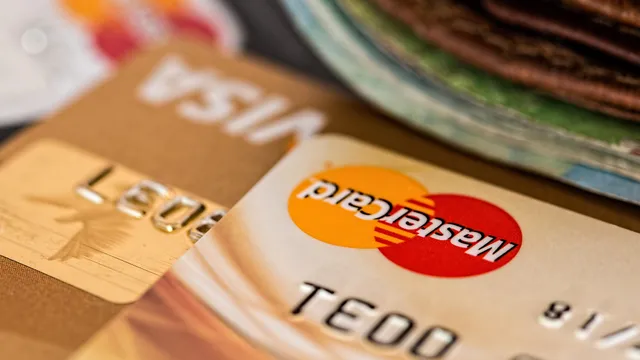 Buy USDT Thailand's most-traded coin: cheapest places to buy and which network saves you fees.
Legal status and taxes: the two lines you shouldn't cross
Crypto in Thailand is legal to buy, hold and trade — but two boundaries matter. First: invest, don't pay. Since April 2022 the Bank of Thailand and SEC have barred digital asset businesses from facilitating crypto payments for goods and services, so you won't be settling restaurant bills in BTC (a small grassroots Lightning scene exists, and nothing criminalises an individual buyer — the rule binds businesses). Second: licensed versus unlicensed venues. This line decides whether you get investor protection and the tax exemption, or neither.
Verify any operator yourself on the Thai SEC website or its SEC Check First app, and watch the Bank of Thailand and AMLO for payment and AML rules. We keep a plain-English summary in Is crypto legal in Thailand? and a live list of licensed and blocked platforms.
 Crypto tax guide
The 2025–2029 exemption, who qualifies, and how to file correctly.
 TouristDigiPay
How tourists convert crypto to baht and pay by QR — limits, steps, caveats.
Crypto guides for every major location
Context differs city to city — Bangkok hosts the industry, Chiang Mai has the liveliest Bitcoin community, Phuket is TouristDigiPay's main stage. Pick yours from the map.
Why you can trust what you read here
Much of what ranks in English for "crypto Thailand" is written from abroad by people who have never opened a Thai exchange account: fee tables years out of date, tax advice citing rules repealed in 2024, and Bitcoin ATM "directories" listing machines that do not exist. We take the opposite approach — every load-bearing fact traces to a primary source (Royal Gazette, SEC notifications, Bank of Thailand, AMLO), every page carries its verification date, and when something can't be confirmed we say so instead of inventing it.
CryptoThailand is an independent information site. We are not an exchange, we hold no client funds, and nothing here is financial advice. Crypto prices swing hard — never invest money you can't afford to lose.
Thailand's crypto market in 2026, by the numbers
The SEC's monthly data tells a more interesting story than the headlines. The user base keeps compounding — cumulative digital-asset investor accounts passed 3.09 million by the end of 2025 — while actual trading has gone quiet: active accounts fell to roughly 121,000 in July 2026 and average daily turnover to about ฿1.38 billion, well under the 2025 average, even as client assets held on platforms grew past ฿61.7 billion. The picture is a market of holders rather than traders — exactly the behaviour the licensed-venue tax exemption was designed to reward.
Globally, the 2026 Chainalysis grassroots-adoption index (new methodology) vaulted Thailand to 8th in the world, from 17th in the previous edition — evidence that real usage runs deeper than order-book volumes suggest.
And the biggest regulatory news of late 2026: the SEC issued eleven notifications (8 October 2026, effective 16 October) opening the door to locally listed spot Bitcoin and Ether ETFs on the Stock Exchange of Thailand — passive management only, at least 80% exposure to the underlying asset, custody with an SEC-supervised custodian. No individual fund has been approved yet as of our verification date, but the bridge between crypto and the ordinary Thai brokerage account is now built.
Want to meet the scene in person? Late 2026 stacks two major events on the same weekend: the Bitcoin Thailand Conference 2026 (28–29 Nov, Samyan Mitrtown) and Binance Blockchain Week Bangkok (same dates, QSNCC) — more context in the Bangkok guide.

From World Heritage ruins to 8th place in global grassroots adoption — Thailand has always mixed old and new.
Frequently asked questions
Is it legal to buy crypto in Thailand?
Yes. Buying, selling and holding cryptocurrency is fully legal in Thailand under the Digital Asset Business Decree B.E. 2561 (2018), with the Thai SEC supervising licensed exchanges and brokers. The one thing that is restricted is using crypto as a means of payment for goods and services — a rule in force since 1 April 2022. Investing and trading are unaffected. See our legal guide for the full picture.
Do I pay tax on crypto profits in Thailand?
For most people right now — no. Capital gains from selling digital assets through SEC-licensed Thai platforms are exempt from personal income tax from 1 January 2025 to 31 December 2029 (Ministerial Regulation No. 399). The catch: the exemption only covers licensed venues. Profits made on unlicensed offshore exchanges, plus mining and staking income, remain taxable. Details in the crypto tax guide.
Can foreigners open an account on a Thai exchange?
On some. Bitkub and Bitazza accept foreigners with a passport plus supporting documents (long-stay visa, work permit or similar), while Binance TH requires a Thai National Digital ID that foreigners generally cannot get. You will also need a Thai bank account to move baht in and out. Tourists and newcomers without Thai banking usually find a global passport-KYC platform faster to start with.
Are there Bitcoin ATMs in Thailand?
Practically none that operate legally. No Bitcoin ATM operator holds a Thai SEC licence, and the machine lists you see on foreign aggregator sites are largely fabricated or years out of date. We explain what actually exists — and the better alternatives — in our Bitcoin ATM reality check.
What is the minimum amount to start?
Tiny. Thai licensed exchanges accept orders from around ฿10 (about $0.30), and global platforms let you start with a small card purchase. You never need to buy a whole bitcoin — it divides into 100 million units (satoshis).
Which exchange is best for expats in Thailand?
If you have a Thai bank account: Bitkub for THB liquidity or Bitazza for its OTC desk and Visa card. If you don’t: a regulated global platform like CEX.IO that verifies you with just a passport and takes Visa, Mastercard, Apple Pay and Google Pay. Compare all options in our exchange ranking.

Start today on a regulated platform
Our pick for beginners holds a Gibraltar DLT licence and US FinCEN MSB registration, supports card, Apple Pay and Google Pay purchases, and verifies you with just a passport — ideal for tourists, expats, and anyone who wants an account outside Thai banking rails.
Create your account