Cashing Out Crypto to Thai Baht, Without the Horror Stories
Convert BTC and USDT back to baht in your Thai bank account without risking a frozen account — the clean routes, the true costs, and the traps that catch people in 2026.
- Covers the 24-hour transfer-hold rule
- Frozen-account prevention
- Tax treatment explained
Last verified: 20 October 2026
Everyone teaches the on-ramp; the off-ramp is where people actually get hurt. Selling involves liquidity, hidden costs, bank compliance, and — uniquely in Thailand right now — the legal cleanliness of the money that lands in your account. This page maps every workable route from coins to baht in 2026, ranked safest to riskiest, and explains why the "faster" options can freeze your bank account for weeks.
The main route: sell through a licensed exchange
- Move your coins to a Thai licensed venue
From self-custody or a foreign platform, deposit to Bitkub, Bitazza or another licensed venue where you hold an account. Match the network exactly on both sides — USDT exists on many chains, and a mismatched send is unrecoverable. Test new addresses with a small amount first.
- Sell into a deep THB pair
USDT/THB and BTC/THB on Bitkub carry the country's thickest order books. Place limit orders near market to avoid spread bleed; break large amounts into tranches, or for seven-figure baht amounts consider a licensed OTC desk that locks one price for the whole block.
- Withdraw to your own bank account
Withdrawals go only to the Thai bank account registered in your name — a deliberate AML feature. Fees run about ฿20 per withdrawal; most arrive in minutes, but amounts of ฿50,000+ can sit up to 24 hours in the banking system's anti-mule checks. That's the system, not you.
Every cash-out channel compared
| Channel | Speed to money | True cost | Risk |
|---|---|---|---|
| Thai licensed exchange (recommended) | Minutes–24 h | ~0.25% + ฿20 withdrawal | Lowest + tax-exempt |
| Licensed OTC desk | Same day | ~0.1–0.5% by deal | Low; for large blocks |
| Global platform → transfer back | 1–3 days | Fees + FX margin | Moderate |
| P2P with strangers | Instant (if honest) | 2–5%+ spread | High: frozen-account exposure |
| Unlicensed cash desks | Instant | Heavy markup | Very high: raided repeatedly |
Keep these records every time you sell
Even with the 2025–2029 exemption, keep your trade statements and transfer slips for at least five years. The exemption is conditional and time-boxed, and when a bank or the Revenue Department asks about a large incoming sum, a tidy paper trail is what ends the conversation quickly. The tax guide covers filing and the cases that remain taxable — mining, staking, and anything sold off-licence.
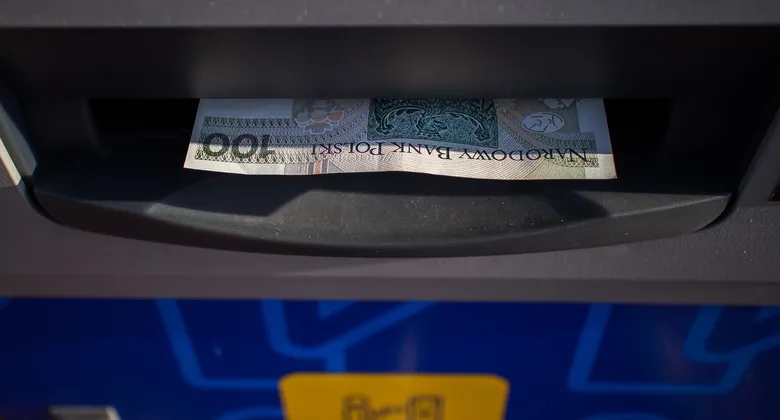
The most reliable destination for crypto proceeds is your own Thai bank account — cash is then one ATM away.
If your account does get frozen: the 2026 playbook
The mule-account purge has frozen over a million bank accounts nationwide, and plenty of innocent people were caught in the sweep. The good news: after the backlash of late 2025, the error-correction machinery got dramatically faster. Banks must now verify a disputed freeze within 2 hours of referral, the restoration target for clear cases is 3–4 hours, and temporary suspensions are capped at 7 days unless AMLO or police issue a formal seizure order. Crucially, most freezes are partial — only the suspicious inbound amount is locked, not your whole account.
- Call 1441, press 2 (the AOC anti-online-scam centre's dedicated frozen-account line) or file at thaipoliceonline.go.th — have your account number, name and passport/ID ready.
- Assemble source-of-funds evidence — an exchange statement showing your sell order and withdrawal is the single fastest unlock (and the reason we keep telling you to sell through licensed venues).
- Contact your bank in parallel, citing your 1441 case number, to start its 2-hour verification clock.
- Past 7 days with no movement — request the formal seizure order in writing and consider a lawyer. Cases with clean source documentation rarely get that far.
The best defence hasn't changed: inbound money should come only from auditable operators, never accept transfers from strangers, and keep five years of crypto transaction records. One tidy folder of documents costs far less than one week of a frozen account.
Selling & withdrawing: FAQ
Can I withdraw USDT straight to PromptPay?
Indirectly: send USDT to a licensed Thai exchange, sell for baht, withdraw to your linked Thai bank account — which already works with PromptPay. No licensed venue pays out to third-party PromptPay numbers; anyone offering that off-platform is exactly the kind of counterparty that gets bank accounts frozen.
Why is my withdrawal taking so long?
The usual 2026 culprit is Thailand’s anti-mule regime: bank transfers of ฿50,000+ can be held for up to 24 hours with enhanced checks, and exchanges run their own AML reviews. If timing matters, withdraw in smaller tranches during business hours.
How do people get their bank accounts frozen selling crypto?
Almost always via informal P2P sales. A buyer pays you with money linked to scam proceeds; when a victim files a police report, every account along the money trail gets frozen — including yours, even if you acted in good faith, and unfreezing can take weeks. Selling through a licensed exchange, where settlement comes from an audited corporate account, removes this risk class entirely.
Do I owe tax when I sell?
Selling through SEC-licensed venues between 2025 and 2029: gains are exempt from personal income tax. Selling anywhere else — offshore platforms, P2P — remains assessable income. Full conditions and record-keeping advice in the tax guide.
Where can I exchange crypto for physical cash?
There is currently no licensed walk-in cash desk in Thailand. The storefronts in tourist areas operate without licences and have been raided (Phuket, April 2025). The safe equivalent: sell on a licensed exchange, withdraw to your bank, take cash from any ATM. Background in our OTC guide and ATM reality check.
What about selling from a foreign exchange account?
Cheapest route is usually: convert to USDT there, transfer via a low-fee network (TRC-20, Arbitrum) to your Thai exchange, sell for THB. Selling to foreign fiat and wiring via SWIFT costs more at every step — outbound fees, FX margin, and source-of-funds questions from your Thai bank.