Crypto OTC in Thailand: How Size Gets Traded
Buying or selling six to eight figures in baht without moving the market or tripping legal wires? Here's how OTC actually works in Thailand, who runs licensed desks, and the traps around the cash-desk scene.
- Licensed desks only
- Real deal flow explained
- Cash-desk risks documented
Last verified: 20 October 2026
What OTC is for
Over-the-counter trading means dealing directly with a desk instead of the public order book, for two reasons. Price: even Thailand's deepest THB books absorb multi-million-baht market orders poorly — your average fill degrades level by level. A desk quotes one price for the entire block. Execution privacy: the deal never prints on the public book, so the market can't front-run the rest of your order.
In the Thai context, the crossover point where OTC starts beating patient limit orders is roughly half a million baht per trade. Below that, laddered limits on a licensed exchange usually match OTC's all-in cost without the onboarding.
Verifiable OTC providers in Thailand
| Provider | Status | Strengths | Reported minimum |
|---|---|---|---|
| Bitazza OTC | SEC-licensed broker | Institutional liquidity backing (B2C2 partnership, late 2025); serves HNW and corporates | Negotiated |
| Maxbit | SEC-licensed broker (PTG group) | Low-fee OTC with high reported daily withdrawal capacity | ~฿200,000* |
| XSpring Digital | SEC-licensed broker + dealer | Securities-group pedigree; institutional and token focus | Negotiated |
| Regional desks | Foreign-licensed | Very deep liquidity for the largest deals; you arrange the THB leg via a Thai licensed operator | ~$100,000+ |
*Secondary-source figure — confirm directly with the provider.
Anatomy of a deal
- Onboarding. KYC/KYB plus source-of-funds or source-of-coins evidence — mandatory under AMLO standards at every legal desk. A desk that skips it is flashing a warning, not offering convenience.
- Quote. You state asset, size and side; the desk returns a single price (global reference ± 0.1–0.5% spread by size and conditions), valid for seconds to minutes.
- Settlement. The baht leg moves by bank transfer — large amounts can meet the 24-hour anti-mule hold, which professional desks plan around; the coin leg goes to the agreed wallet. Standard deals settle same-day.
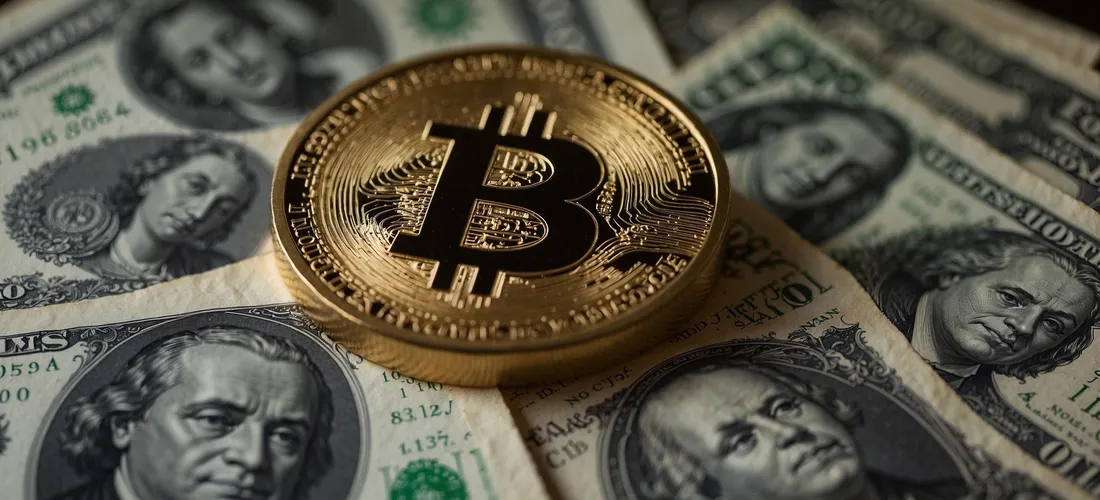
A good OTC deal is a boring one: locked price, complete paperwork, bank-settled.
Desk-selection checklist
- Provider appears on the SEC's licensed-operator register — verify yourself, don't trust website badges.
- Serious KYC and professional source-of-funds questions.
- Settlement through corporate bank accounts — never personal accounts or cash.
- Transparent quoting: visible reference price and spread, no fees materialising later.
- For large sells: agree the baht-receipt timeline upfront, allowing for bank AML review cycles.
Prepare like a professional: documents and deal timing
What separates a smooth deal from one that drags for weeks usually isn't price — it's the quality of your paperwork. A desk running proper standards will request source-of-funds and source-of-coins evidence before the first trade. Have ready: bank statements showing how the money accumulated; sale or transfer contracts if funds come from an asset disposal; payslips or business accounts; and on the coin side, purchase history from the original platform or mining/payment evidence. The shorter and straighter the money trail, the faster the onboarding. Expect your wallets to be screened through chain-analysis tools and sanctions lists as a matter of routine.
On timing: the standard loop runs RFQ → quote → confirmation → settlement → reconciliation. The coin leg typically settles on-chain same-day, while the baht leg rides Thai banking hours — book deals for weekday mornings and same-day completion is realistic. Build in time for the bank's face-scan and verification steps on larger amounts; that's the Thai system's normal rhythm now, not a sign of trouble.
On spreads: no official Thai figures exist, but a reasonable negotiating frame is roughly 0.1–0.5% off reference for large tickets in major assets, up to 1%+ for small or illiquid ones — every number varies by desk and market conditions. Requesting parallel quotes from more than one source remains the politest form of leverage.
OTC FAQ
How is OTC different from just placing a big order?
A large market order walks down the public order book, worsening your average price with every level (slippage), while broadcasting your activity. An OTC desk quotes one locked price for the whole block, settles privately, and leaves the public market untouched. It starts making sense from roughly the mid-six-figures in baht.
What are the minimums in Thailand?
They vary. Maxbit has a reported ~฿200,000 OTC minimum; Bitazza’s desk doesn’t publish one — you negotiate directly; regional institutional desks like Kraken OTC typically start around $100,000. Treat all published figures as "verify with the desk".
Is there a walk-in office where I can trade cash?
Not a licensed one. Legal Thai OTC settles through bank accounts, not banknotes. The cash desks in tourist areas — often advertising in Russian — are unlicensed businesses that police have raided repeatedly, including an eight-location operation (four in Phuket) in April 2025.
Do OTC trades get the tax exemption?
Yes — if executed through an SEC-licensed operator (brokers/dealers running OTC services qualify), the 2025–2029 personal income tax exemption applies just as on-exchange. Deals with unlicensed desks or individuals fall outside it, and add money-laundering exposure on top.
What should I prepare before approaching a desk?
Three things: KYC documents at exchange-account level, source-of-funds/source-of-coins evidence (statements, purchase history), and clarity on size and timing. Clean paperwork means faster onboarding and tighter spreads.
Sources: SEC licensed-operator register · Bitazza × B2C2 partnership (Nov 2025) — B2C2 announcement · April 2025 Phuket raids — Thai police / local press · Maxbit minimum — secondary source, verify directly.